Not every kitchen needs a dramatic statement. For many homeowners, the most appealing space is one that feels calm, uncluttered and easy to live in. Dekton’s Nomak collection is designed exactly for that.
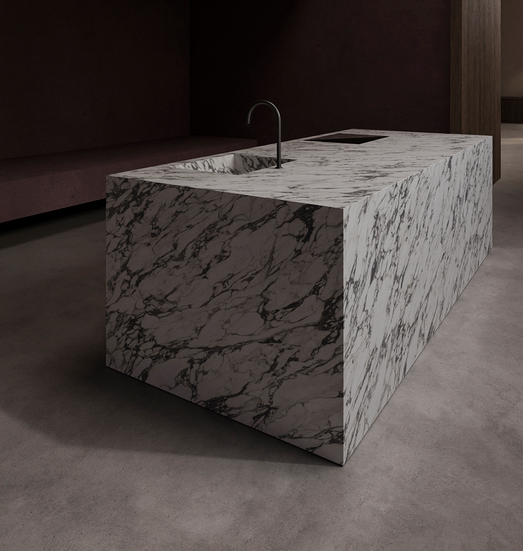
Nomak focuses on the essentials. Its surfaces feature soft, subtle veining that adds a gentle sense of movement and natural character, yet the overall effect stays quiet and restful. This restraint is the collection’s real strength: Nomak brings light and refinement to a room without overpowering the cabinetry, lighting or architecture around it.
Introducing Talma, Akara, and Grekk. Each one has been carefully developed to suit contemporary living while maintaining the strength and versatility Dekton is known for.
Talma
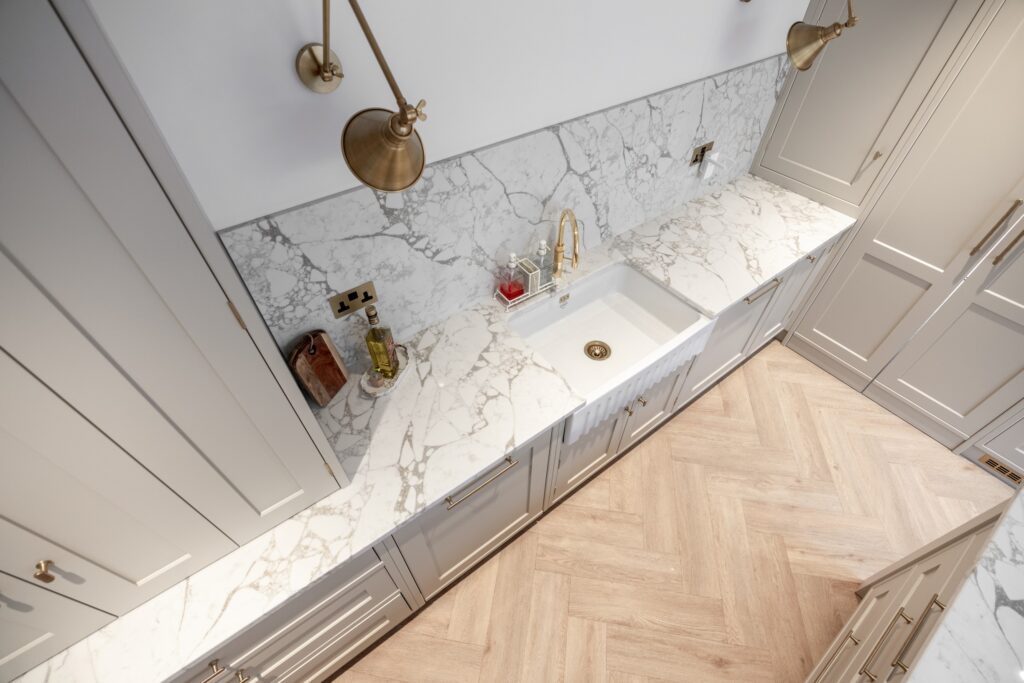
If you are drawn to the warmer, earthier palettes defining kitchen design in 2026, Talma is a surface worth seeing in person. Its warm base is softened by subtle tonal variations, and a restrained, flowing pattern adds visual richness without ever competing for attention.
The result is a worktop with a calm, enveloping presence. It sits beautifully alongside oak and walnut cabinetry, deep greens, creamy neutrals and brushed brass hardware, creating a kitchen that feels comfortable, cohesive and built to last. An exceptionally delicate textured finish completes the look, giving the surface a soft, natural feel underfoot and to the fingertips and a subtle depth that shifts with the light.


Akara
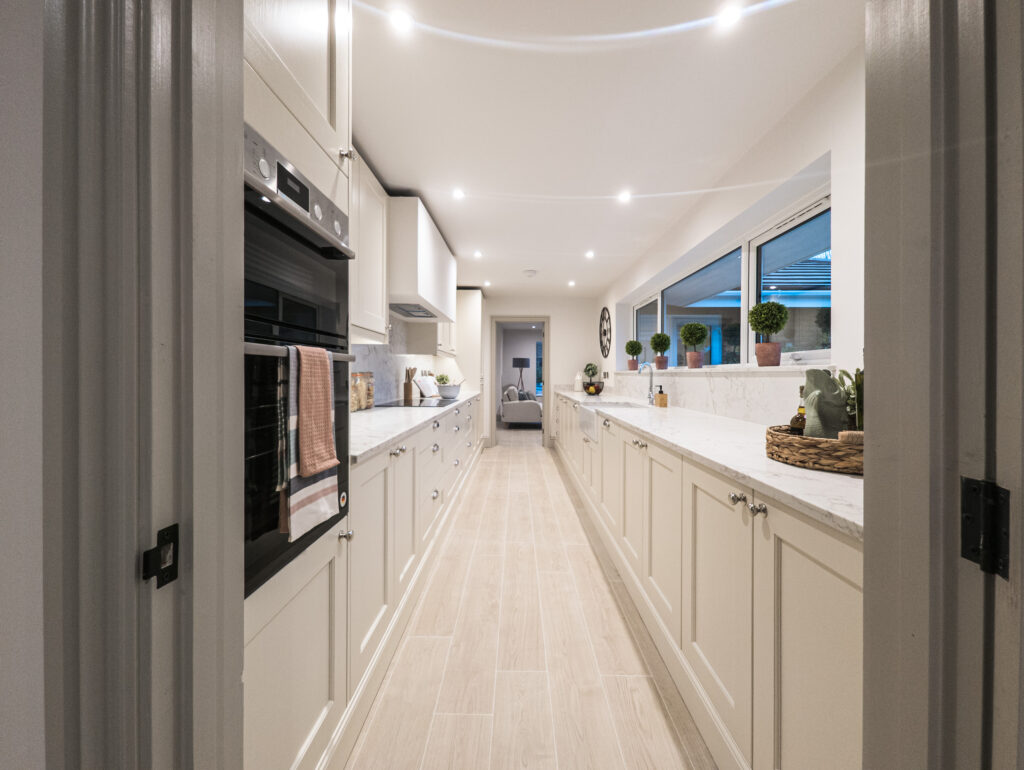
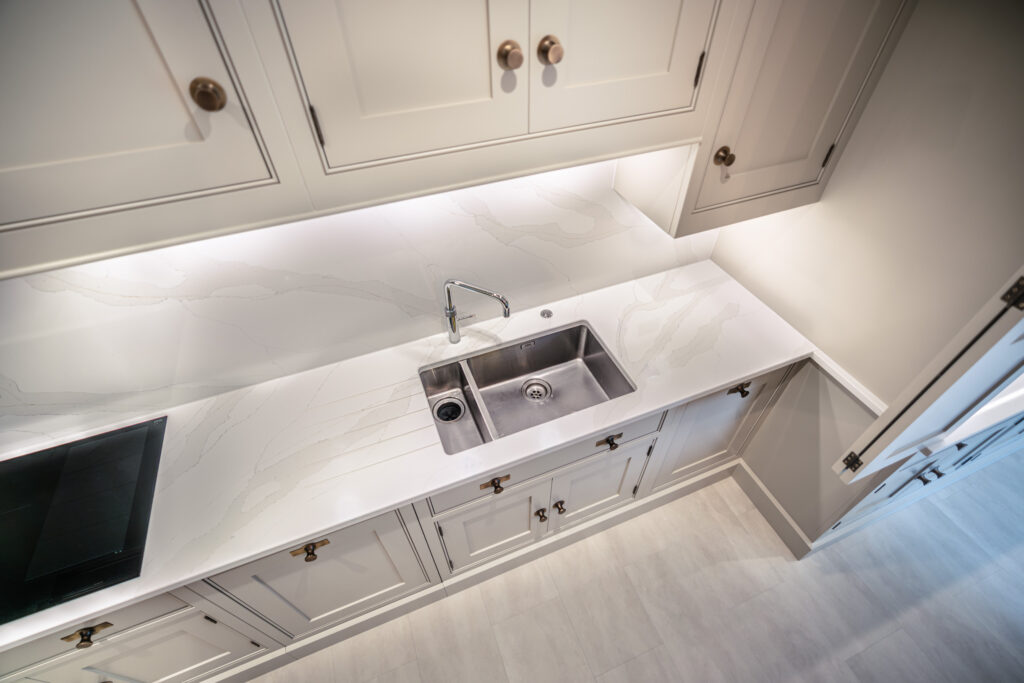
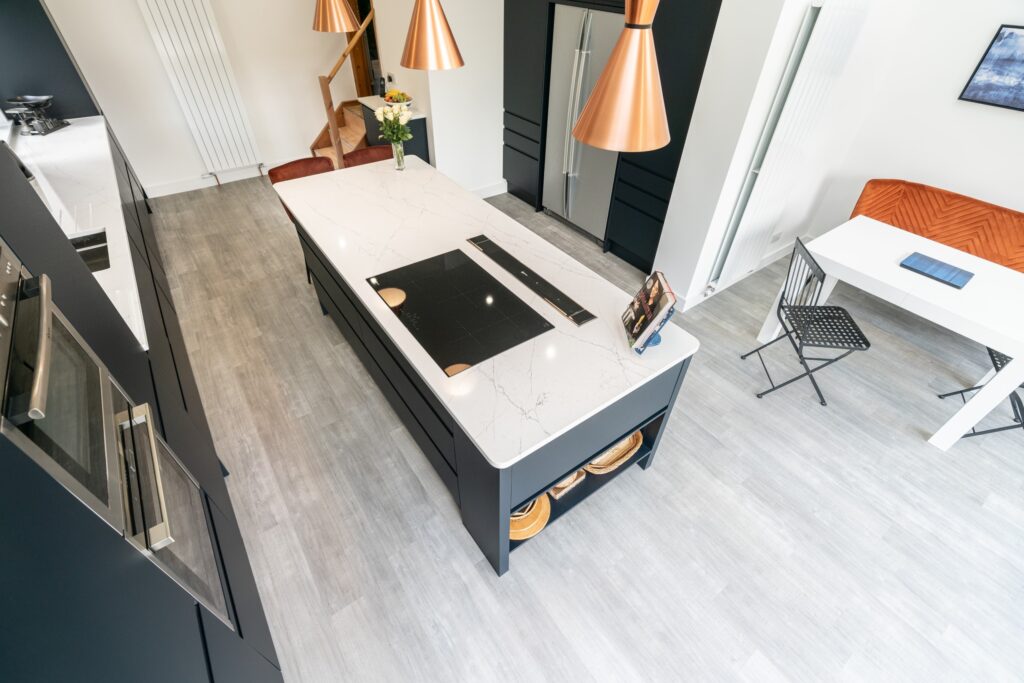
For homeowners who love the brightness of a white countertop but want something warmer and more welcoming, Akara strikes a beautiful balance. Its warm ivory tone has a soft, luminous quality that catches natural light and carries it across the room, helping smaller kitchens feel more spacious and larger ones feel bright and calm.
Look closely, and you will notice every subtle movement and delicate tonal variation running through the surface. They add a genuine depth and richness, yet the overall effect remains wonderfully even and uninterrupted, which makes Akara especially effective on long runs and large islands where a seamless look matters.
Akara pairs naturally with sage and olive greens, warm greys, soft taupes, light oak and painted Shaker cabinetry, and it works equally well with brushed brass or matt black hardware. It is a quietly confident surface that suits both classic and contemporary kitchens.

Grekk
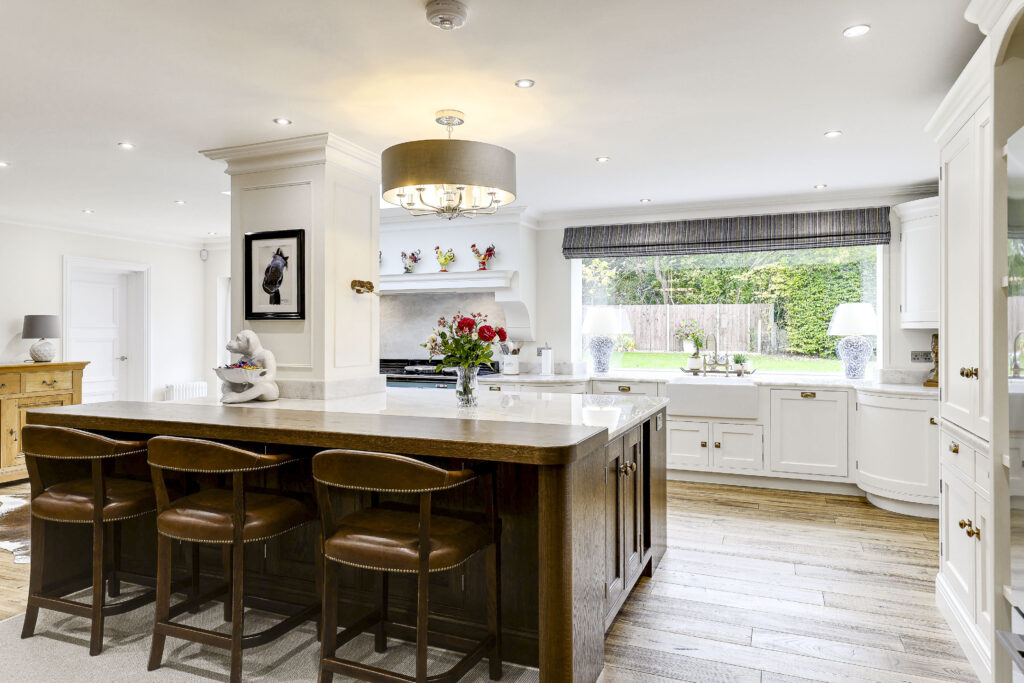
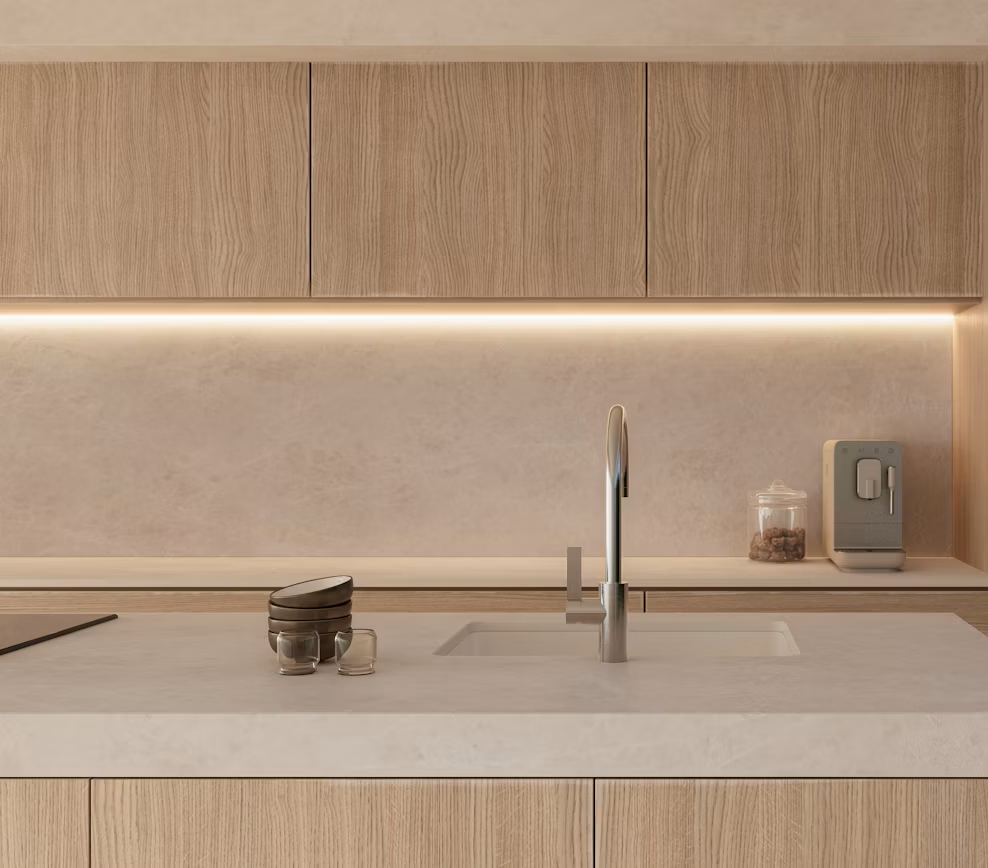
Greige has become one of the most versatile and sought-after worktop colours, and Grekk shows exactly why. Sitting perfectly between warm beige and soft grey, it has a natural, mineral-inspired tone that works with an extraordinary range of kitchen styles and colour palettes.
Its pattern is deliberately soft. Gentle tonal variations and a diffused, cloud-like graphic add a natural quality to the surface, yet nothing interrupts the calm, even reading of the stone. This makes Grekk an excellent choice for large islands and long worktop runs, where a busier pattern could feel overwhelming, and for kitchens where you want the cabinetry, lighting or splashback to take centre stage.
A subtle textured finish adds a further layer of interest. It gives the surface a soft, tactile feel and a genuine sense of materiality, so Grekk feels considered and natural rather than flat.
Grekk pairs easily with light and mid-tone oak, warm whites, mushroom and taupe cabinetry, sage greens and soft charcoals, plus brushed nickel, matt blacks and antique brass.


Why Choose Dekton Sintered?
Beyond aesthetics, Dekton delivers exceptional performance at home. Its ultra-compact structure makes it highly resistant to heat, scratches and stains, making it an ideal choice for busy kitchens and everyday living.
Its versatility also lets you use it across multiple applications, including worktops, splashbacks, islands, and even wall cladding.
Related blogs:
The Frequently Asked Questions About Dekton Worktops
Why Dekton is the Ideal Surface for Busy Kitchens
The Pros & Cons Of Dekton Worktops
Are Porcelain Worktops Worth the Investment?
We invite you to come on down to Cawdor Stone Gallery and experience the new collection in person. Seeing these surfaces as full slabs allows you to appreciate their movement, tone and texture in real light.