It’s the details in the kitchen island that make all the difference. One of the most impactful style choices is the edge. Are you drawn to modern, clean lines with a waterfall edge, or the classic charm of a traditional overhang that allows bar stool seating to sit underneath? Deciding on which one is how you will use your island. Will it be for more functional chores or an entertaining place to gather?
We have put together this blog to explore the benefits to help you decide what island style suits your space and lifestyle.
Quick answer: waterfall edge or traditional overhang?
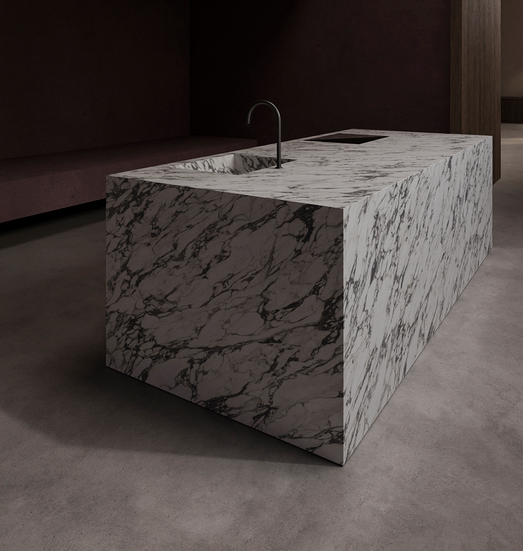
A waterfall edge runs the stone down the sides of the island to the floor, creating a seamless, sculptural look that suits modern and open-plan kitchens. A traditional overhang extends the worktop past the cabinets so stools can sit underneath, which is the practical choice if you want seating. The waterfall costs more because it uses considerably more material and precise mitred joints. The overhang is more affordable and gives you a breakfast bar. You can also combine the two, with a waterfall on one end and an overhang on the seating side.
Photos provided and owned by kitchen designer Daniel Ramsay Kitchens
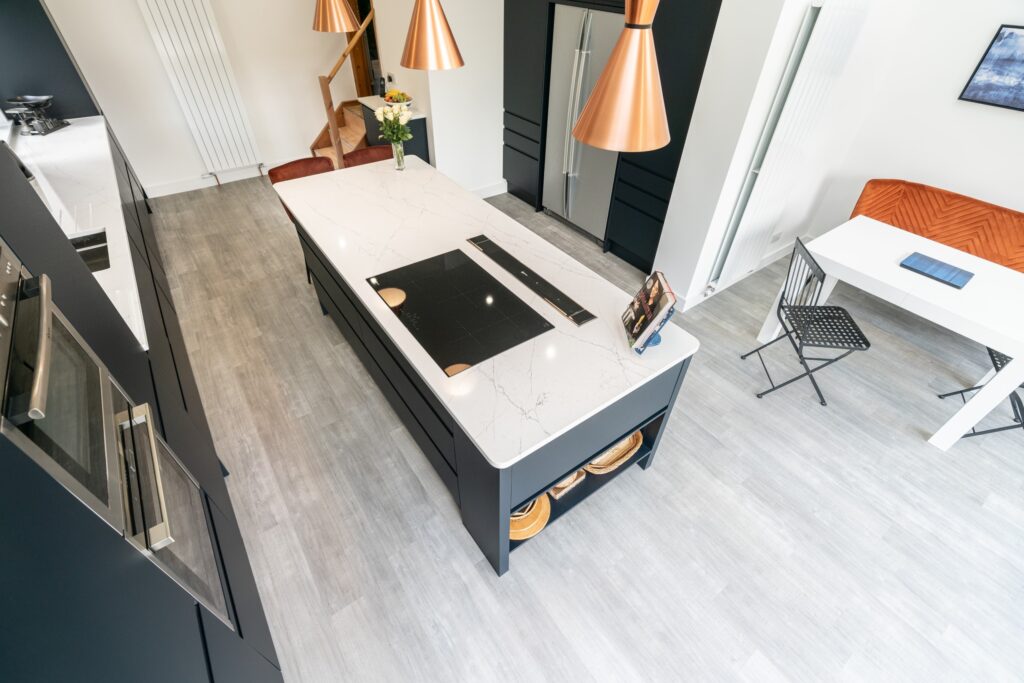
Traditional Overhang: Harpenden Cimstone Concrete Terreno Quartz Project

The Waterfall Edge: A Sleek, Sculptural, & Modern Look
The waterfall edge is a continuous slab of material that flows from the top of the island down the sides, like water cascading over the ledge. This looks particularly pleasing when selecting a marble-style worktop such as quartz or the real beauty of marble. It has become a style icon in contemporary and minimalist kitchens, offering a sense of seamless elegance.
This style is most suited to modern interiors, open-plan homes, and those who love a sculptural, design-led look.
Why Choose a Waterfall Edge?
- It’s a statement piece that turns your island into a bold focal point.
- It brings a luxurious look with an uninterrupted stone pattern, adding drama and a high-end feel.
- Having a durable surface and extra coverage protects cabinetry ends from everyday wear and tear.
- If you’re using a striking quartz with veins, a waterfall edge makes the island shine.
Waterfall Edge & Traditional Overhang: Bedfordshire Dekton Kelya Quartz Project

Traditional Overhang: A Timeless, Practical & Versatile Style
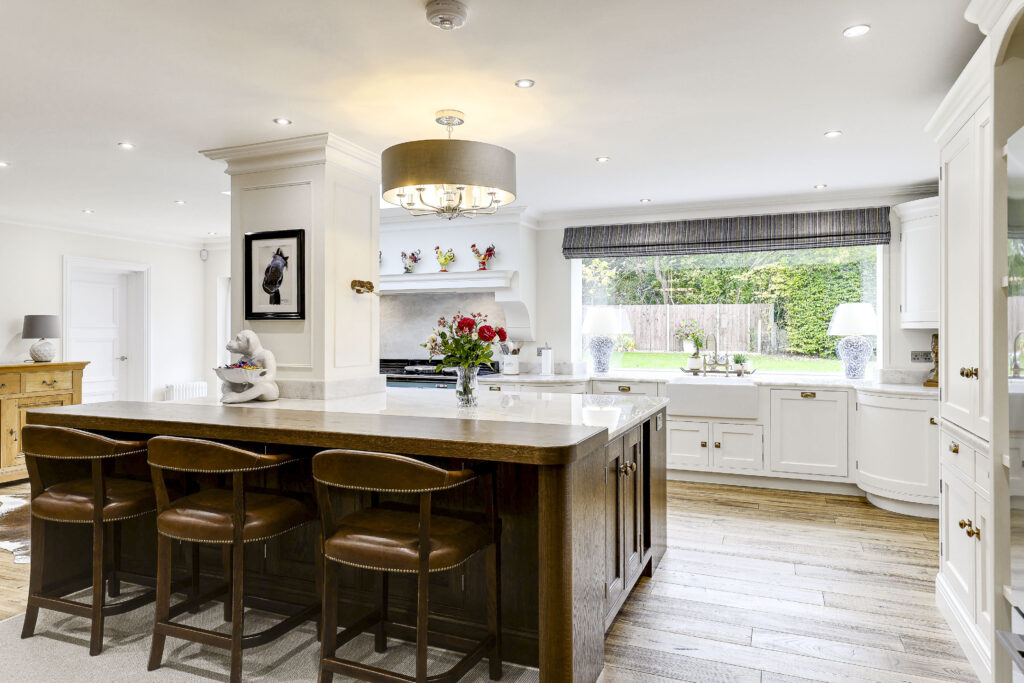
The traditional overhang is a design where the countertop extends beyond the edge of the island. This versatile style creates a sociable breakfast bar or an extra prep area. It’s perfect for homeowners who want their kitchen to feel warm and welcoming.
This technique is best for families, casual entertaining, and kitchen layouts that prioritise comfort and usability.
Why Opt for a Traditional Overhang?
- Opting for a traditional overhang allows you to accommodate stools for a quick breakfast or catch up with a coffee.
- The ergonomic design provides ample knee space for comfortable seating.
- It’s a more budget-friendly option, requiring less material than a full waterfall design.
- With a classic appeal, it works beautifully in traditional, farmhouses, and transitional kitchens.
Traditional Overhang: Woolmer Green Quartzforms Planet Neptune Project

Now it’s the Decision… Which One is Right for You?
When it comes to choosing between a waterfall edge and a traditional overhang for your kitchen island, it’s important to weigh up the style and practicality of each.
A waterfall edge offers a modern, dramatic, and sculptural look, which is perfect for creating a bold design statement. It looks incredible centred in the middle of the space and provides a protective, high-end aesthetic. Although it comes at a higher cost due to the extra material and craftsmanship involved, it’s worth it!
On the other hand, a traditional overhang delivers a classic, inviting, versatile appearance. This budget-friendly option offers practical advantages that any homeowner desires, such as a comfortable spot to sit and accessible prep space.
While waterfall edges are easy to wipe down thanks to their seamless surface, the traditional overhang makes its more easier to access under-island storage, making it particularly useful in busy family kitchens.
The choice is down to you, your lifestyle, budget, and the overall look you’re hoping to achieve.
Traditional Overhang: Welwyn Artemistone Arabescato Cremo Quartz

Photos provided and owned by kitchen designer Daniel Ramsay Kitchens
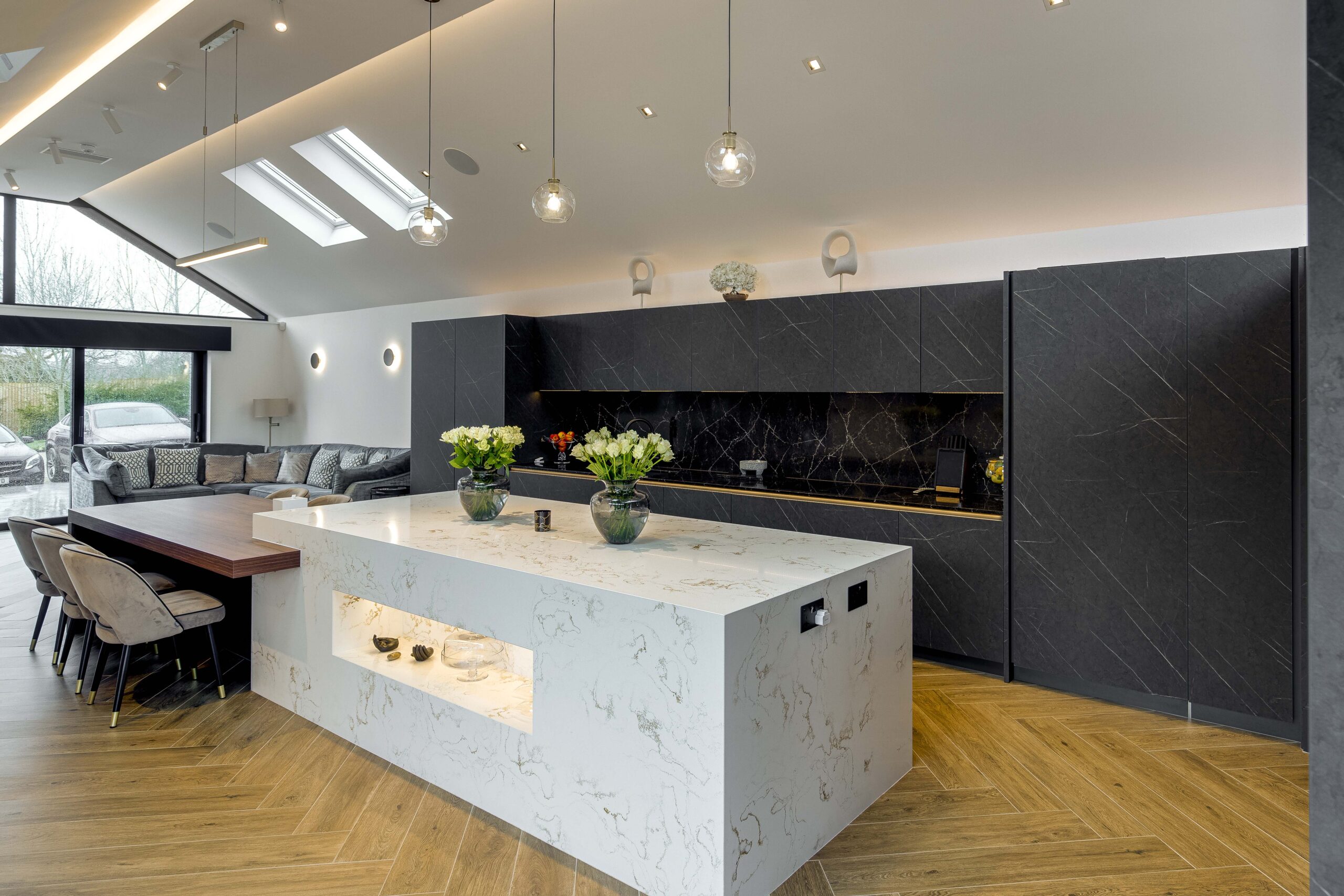
Waterfall Edge: Harpenden Compac Nebulous Gold
Traditional Overhang: Hampstead Dekton Marina Porcelain

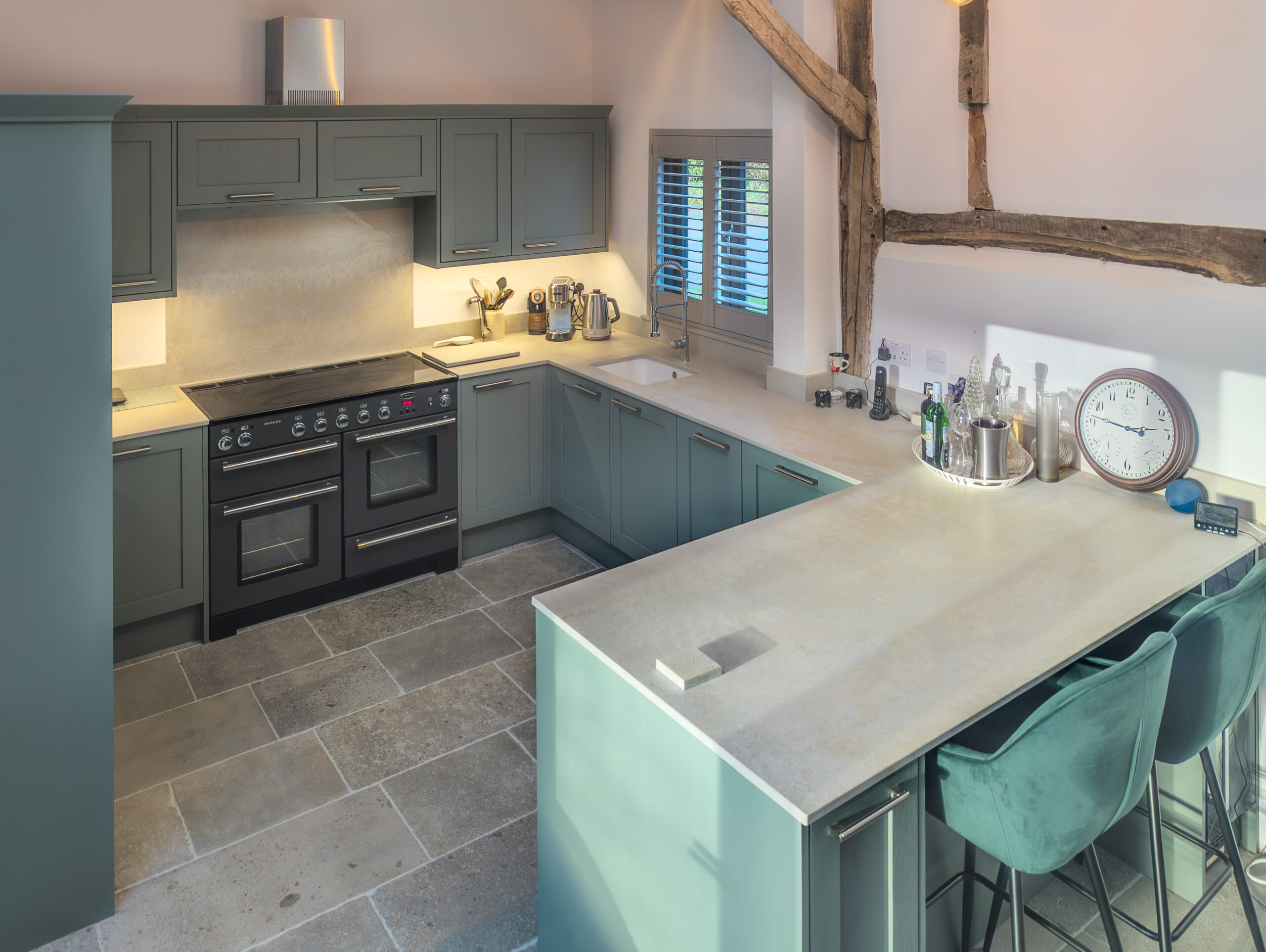
Traditional Overhang: Cottered Caesarstone Primordia Quartz
Your kitchen island is the centrepiece of your kitchen. The kitchen where meals are prepared, homework is done, conversations unfold, and memories are made. Whether it’s the sleek sophistication of a waterfall edge or the comfort of a traditional overhang, your choice should reflect how you live and what you love.
Waterfall edge and overhang FAQs
Does a waterfall edge cost more?
Yes. A waterfall edge needs considerably more material, since the stone continues down both sides to the floor, and it requires precise mitred joints so the veining runs continuously around the corner. That fabrication skill is where much of the cost sits.
Can you have seating with a waterfall edge?
Yes, but not on the waterfall sides, because the stone runs to the floor and leaves no knee space. The usual solution is a waterfall on the two ends with a traditional overhang along the seating side, which gives the sculptural look and keeps the stools.
Which materials suit a waterfall edge best?
Strongly veined surfaces gain the most, because the pattern can be matched around the mitre so the veining appears to flow over the edge. Quartz and marble-look surfaces are the usual choice. Plain or lightly patterned stone still looks good but the effect is subtler.
Is a waterfall edge still in style?
It remains a strong contemporary choice, particularly in open-plan kitchens where the island is visible from a living space and effectively becomes furniture. A traditional overhang is the more timeless option and dates less easily in classic and farmhouse kitchens.
How much overhang do you need for stools?
Allow around 300mm for comfortable knee space. Beyond that, the stone usually needs support brackets or corbels, which we will size and specify at templating.
Where can I see both options in person?
Our Welwyn showroom in Hertfordshire displays full slabs so you can see how veining would run across a mitred waterfall before committing. We work with homeowners, designers and architects across Hertfordshire, including St Albans, Harpenden, Hertford and Hatfield, as well as North London and the wider South East.
Are you in need of some help to decide which finish best fits your kitchen style? Contact us today for expert advice from the team. We will help you design a kitchen island that’s beautiful and functional. It’s not just a surface, it’s a centrepiece!